
I’ve been busy compiling a list of companion plants to help me better plan my garden this year. For those of you who are still very new to gardening, companion planting refers to purposeful selection and placement of crops, flowers, and plants to provide mutual benefits.
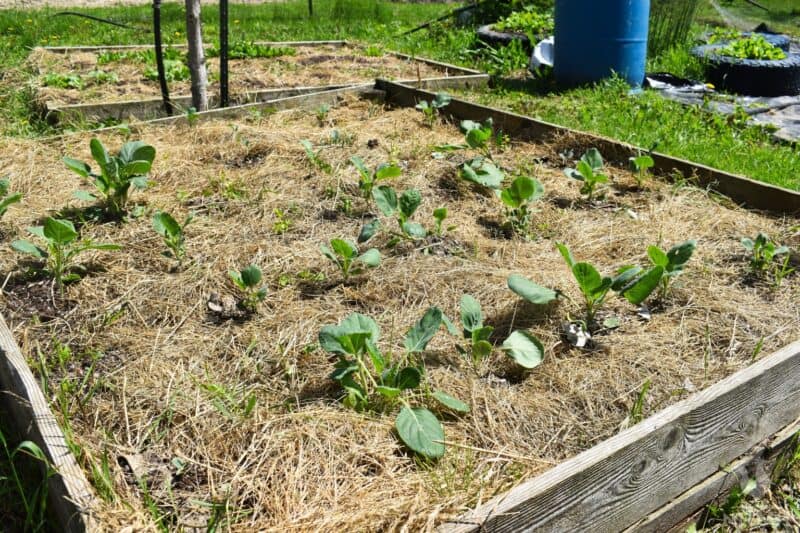
Companion planting is a great way to get a year round yield, while integrating pest management, improving soil health and suppressing weeds.
Why Use Companion Planting?
Companion planting works to provide a number of benefits, depending on the combinations, including:
1. Better utilization of space – By companion planting, you can use utilize 3 dimensions, by planting crops together that don’t compete for root space, or that grow at different heights, utilizing space more effectively.
2. Physical support – Some plants, such as corn, can serve as physical support structures to help climbers, meaning no extra cost for trellises.
3. Attract pollinators – Some plants attract pollinators which help to increase your edible yield.
4. Attract predatory insects – You can use certain species to attract predatory insects such as spiders, hoverflies, and predatory wasps to eat pests.
5. Deter pests – Many plants, especially strong smelling herbs, deter pests from gobbling up your yield. Other plants exude chemicals which kill certain pests and diseases, while some serve to attract pests away from your edible crops.
6. Improve flavor – Planting certain species next to your vegetables can enhance the flavor of the crops.
7. Provide shade – Some veggies, like leafy greens, prefer to grow with a little shade. By planting taller plants next to them, you can provide the speckled light they need to thrive.
8. Improve soil health – Some helpful plants improve soil health. Nitrogen-fixers, such as legumes, take nitrogen from the air and insert it into the soil. Other plants are known as dynamic-accumulators, with long taproots that mine minerals from deep in the ground, releasing it into the topsoil with leaf decomposition.
Equally, some plants like melons have high calcium in their leaves, which is deposited on the soil with leaf drop, while buckwheat absorbs a whole host of nutrients not available to other plants, and deposits this when mulched.
9. Weed suppressant – Some plants help to keep weeds back by competing for nutrients, blocking out light, or forming dense root systems.
10. Intercropping provides a continuous yield – By planting companions near each other, you can time your harvests to have year long yields – especially with a mix of perennials and annuals.
By using companion planting, you help your plants stay healthy, healthy, and more productive.
Beware, however, that there are also planting combinations that you should avoid. Some plants take nourishment away from each other, so it’s important that you know which varieties work well together, and which do not.
Useful List of Companion Plants
I thought it might be helpful to some of you (as well as to myself for future reference) if I shared just a few companion planting tips and pairs. I’d love to have you comment on what you’ve noticed work together as well!
Asparagus – Asparagus grows well when planted near marigolds and nasturtiums, as well as herbs like basil and parsley, to repel pets. Asparagus is a great companion for tomatoes as it repels nematodes that attack tomatoes, while tomatoes repel asparagus beetles.
However, it does not grow well with garlic and fennel. Fennel, in particular, does not grow well with asparagus, because they are both sulfur-rich vegetables and can deplete the soil of that nutrient.
Basil– Basil goes well with tomatoes, as well as with lettuce. It improves the flavor of these species and also helps to repel mosquitoes (which don’t hurt tomatoes, exactly, but are annoying to their harvesters!). Basil should not be planted near rue but is safe near practically any other garden crop.
Bush Beans– Beans should not be planted near onions, as they produce too much nitrogen. They also do not grow well with garlic or shallots (anything similar to onions, really). They are a great companion plant for cabbage, beets, carrots, cauliflower, potatoes, strawberries, and marigolds. In particular, they grow well with potatoes and marigolds, because these two plants repel several species of beetles that are known to infest bean plants.
Pole Beans– Pole beans, like bush beans, work well growing with corn. Beans provide essential nitrogen to corn and attract beneficial insects that feast on corn predators, while the beans use the cornstalks as a trellis.
In addition, squash benefits from being planted near beans for the same reason. You shouldn’t plant pole beans with beets or onions. While bush beans grow well with beets, pole beans tend to cause mutual stunting of growth.

Beets – Beets like to be planted near garlic and onions, as these plants both repel pests that tend to infest beets. Beets also mine minerals from deep in the soil with their long taproot – through leaf drop, they deposit high levels of magnesium for other plants to absorb.
They also do well when planted near broccoli and cauliflower, cabbage, kohlrabi, and Brussel sprouts (think cold-weather crops). In addition to pole beans, you should also keep beets away from field mustard and charlock.
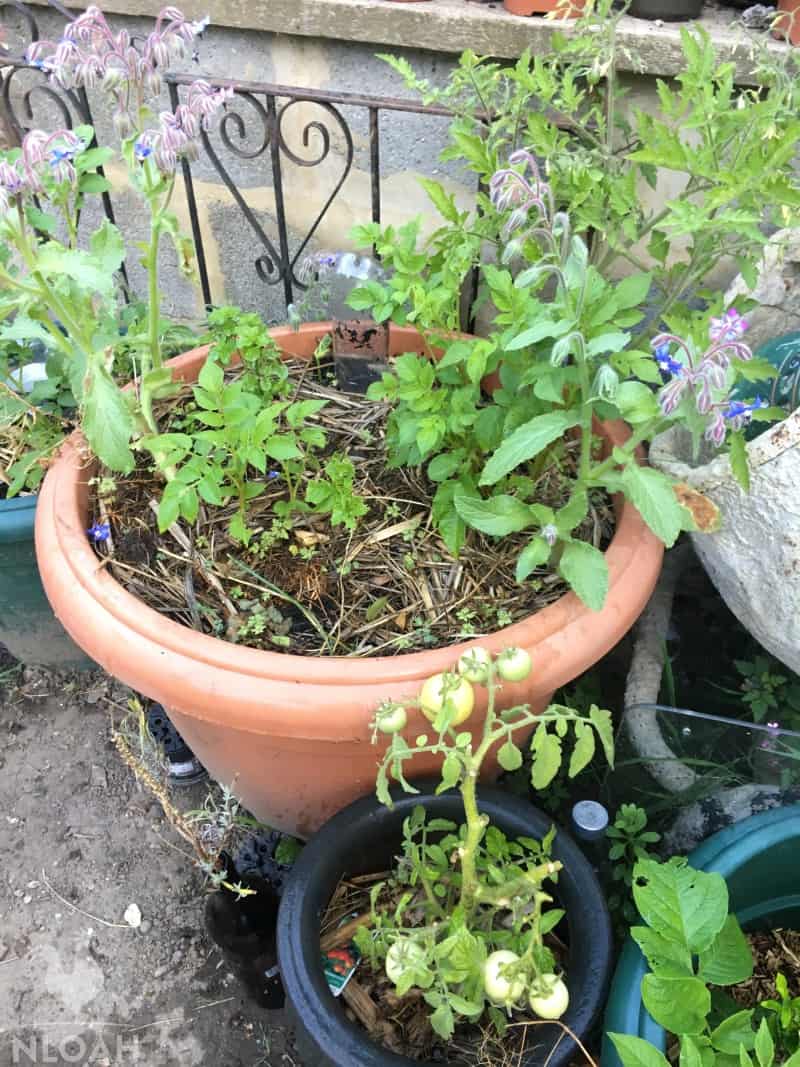
Borage – Borage is a crop that most people don’t have growing in their gardens, but should. It provides ideal benefits when planted near squash, tomatoes, eggplant, and strawberries.
It can repel tomato worms and other nasty pests, while also mining minerals from deep in the soil, and placing them into the topsoil with leaf drop.
Broccoli – Broccoli grows well near other cold-season crops, like beets, carrots, onions, and cauliflower. It also benefits from herbs like chamomile, dill, mint, rosemary, sage, and thyme. It particularly appreciates the presence of aromatic herbs to help repel pests.
Calendula is also a great companion, as it exudes a sticky compound on its stalks that attracts aphids, where they become stuck. Don’t plant broccoli near strawberries, as it attracts similar pests. Marigolds can also be beneficial when planted near broccoli, as they help to repel cabbage moths.
Cabbage– Cabbage should be planted near nasturtium, marigolds, thyme or sage to keep cabbage moths away.
Tomatoes also keep away diamondback moth larvae, while dill attracts predatory wasps that eat cabbage worms. Chives are a particularly good companion, repelling aphids and Japanese beetles. Clover helps to provide nitrogen for cabbages, while also repelling cabbage worms.
Do not plant cabbage near strawberries as they attract similar pests.
Cantaloupe – Cantaloupe should be planted near corn, as it will use the stalk as a trellis (just like pole beans).
Dill, fennel, and parsley also help to encourage pollination for higher yields, while marigolds helps to kill of nematodes that try to feast on the fruits. Melon leaves are a great mulch due to their high levels of calcium, while they also provide good shade for the soil.
Carrots– Carrots can be planted with sage or rosemary to help keep carrot flies away. They also benefit from being planted near other cold-season crops, like radishes and early potatoes, as well as peas, leeks, and onions.
Carrots benefit considerably from chives, that deter carrot rust flies – as do leeks. However, do not plant them with dill or celery. Learn more here.
Cauliflower – Cauliflower benefits from much of the same companion plants as do cabbage and broccoli. Dwarf zinnias attract ladybugs with their sweet nectar, that feast on cauliflower pests. Again, do not plant cauliflower near strawberries.
Chives – Chives are a great plant to intersperse among your garden, as they provide benefits to a variety of plants. In particular, they really benefit fruit plants, like apples, berries, and grapes.
Chives can also benefit roses and carrots, among a variety of other plants. They help improve flavor and quicken growth of many species, as well as to deter common pets like aphids. There aren’t many plants that shouldn’t be planted with chives, but beans and peas aren’t particularly keen on them.
Corn– Corn benefits from the nitrogen-fixing bacteria hosted in beans, and can be planted with any variety of bean. Soybeans in particular may be a helpful addition to your corn-laden garden, as they help keep chinch bugs away.
You may have heard of the “Three Sisters” which refers to the Native American practice of planting corn, pole beans, and squash together. The squash acts as a ground cover mulch to reduce weeds around the other two plants and also helps to keep pests away who don’t like to walk over the squash’s thorny vines.
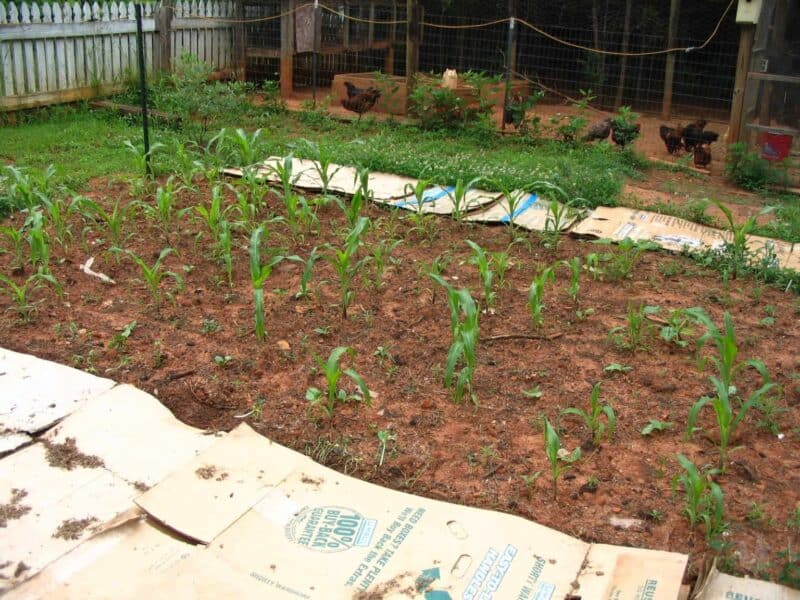
Corn also benefits from being grown with melons, pumpkins, peas, and cucumbers. Think climbing vegetables when you’re trying to decide what to plant near your corn.
Amaranth also helps to shade corn’s soil, while deterring predatory ground beetles, and providing a great living mulch that competes with weeds.
Cucumbers– Marigolds and nasturtiums repel cucumber beetles, while providing a habitat for predatory spiders repel cucumber beetles, as do radishes.
Do not plant cukes of any kind near sage, or near potatoes, as they can cause early blight. Cucumbers also benefit from and provide benefit to plants like corn, cabbage, beans, sunflowers, and radishes.
Dill – Dill can add an extra dose of flavor to many garden plants, and grows well with plants in the cabbage family, like broccoli and cauliflower. However, it should not be planted near carrots.
Echinacea – A perennial flower, echinacea is not only highly medicinal, it also attracts predatory insects, such as parasitoid wasps and hoverflies for general pest management.
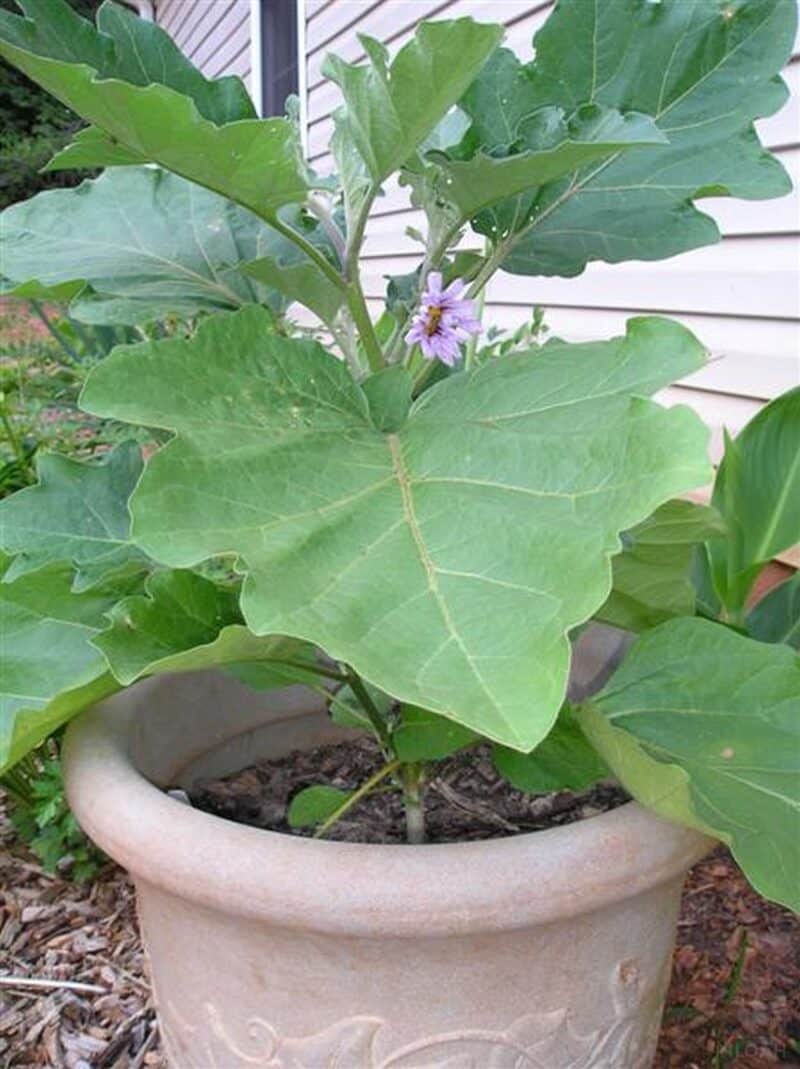
Eggplant – As a nightshade plant, eggplant can grow just about anywhere, and attracts similar pollinators as do tomatoes, potatoes, and peppers. Eggplant may deter some pests that feed on a variety of garden crops. Consider planting green beans near eggplant, as they can repel Colorado potato beetles.
Fennel – If you can avoid it, do not plant fennel alongside any other plant in your garden. Fennel inhibits the growth of most food plants, and will also easily cross-breed with anything umbelliferous. The only exception to this is kohlrabi.
Garlic – Garlic helps to deter onion flies, aphids, ermine moths, and Japanese Beetles, making it beneficial when grown near most plants. Rose growers will be happy to know that garlic keeps away rose pests. It works best when planted with fruits, tomatoes, roses, or cabbage. It should be kept away from peas and beans, as it can stunt their growth.
Kale – This leafy green superfood belongs to the cabbage family and enjoys being planted with garlic, onions, dill, sage, rosemary, and thyme (it likes herbs in the mint family – with the exception of basil, which it hates). Don’t plant kale with tomatoes, pole beans, or strawberries.
Kohlrabi – Kohlrabi grows well with cabbage and cabbage-family vegetables. Lettuce repels earth flies that eat kohlrabi. It does not like to planted near tomatoes, pole beans or tomatoes, and can actually stunt a tomato plant’s growth.
Lettuce– Lettuce is helped by carrots, and grown with mint, repels slugs. It also does well when planted with beets, carrots, radishes, parsnips, and strawberries. Lettuce has the unique ability to tenderize and improve the growth of radishes.
Growing alyssum near lettuces encourages predatory beneficial insects which eat lettuce pests. Lettuce also enjoys being in the company of tall flowering plants like tobacco, that attracts beneficial insects, while providing shade for speckled light. Chervil also repels slugs and attracts parasitic wasps that eat pests.
It does not like to be planted with onions and garlic.
Lovage – Lovage is a great culinary addition, while also attracts parasitoid wasps and hoverflies for pest management.
Marigolds – Marigolds are beneficial for just about every garden crop. While you might not think of including this annual flower in your garden, you definitely should, as it provides a whole host of benefits. Marigolds can help stimulate growth in a wide range of plants, and can help deter pests like maggots, potato and squash bugs, and aphids.
Marjoram – Like marigolds, marjoram can also be planted near practically any garden crop. Marjoram is said to improve the flavor of most things it is planted next to.
Mint – Mint is an excellent pest control tool as it attracts earthworms, predatory wasps, and hoverflies, while repelling cabbage moths, flea beetles, and aphids. However, beware that mint can be invasive, so it’s sometimes better to have it in pots nearby or to use it as cut mulch.
Mustard – Mustard, a tasty herb, can help stimulate growth in its companion plants. It likes to be planted near fruit trees, grapes, legumes, and alfalfa. Consider growing mustard alongside your favorite cover crop for added benefits.
Nasturtiums – Nasturtiums are ornamental flowers that often aren’t found in vegetable gardens, but can provide a whole host of benefits. They should be planted near potatoes, pumpkins, squashes, radishes, cabbage-family plants, beans, and apples. They help to repel aphids, squash bugs, and other pests in a manner similar to that provided by marigolds.
Onions– Do not plant onions near beans, peas, or asparagus. They do get along well with other root crops, such as carrots and beets, and also provide mutual benefits to nightshade vegetables (think tomatoes and eggplant) and cabbage.
Onions help to deter most pests and can even help increase the growth of herbs like chamomile, which in turn, improves the flavor of onions (as does summer savory).
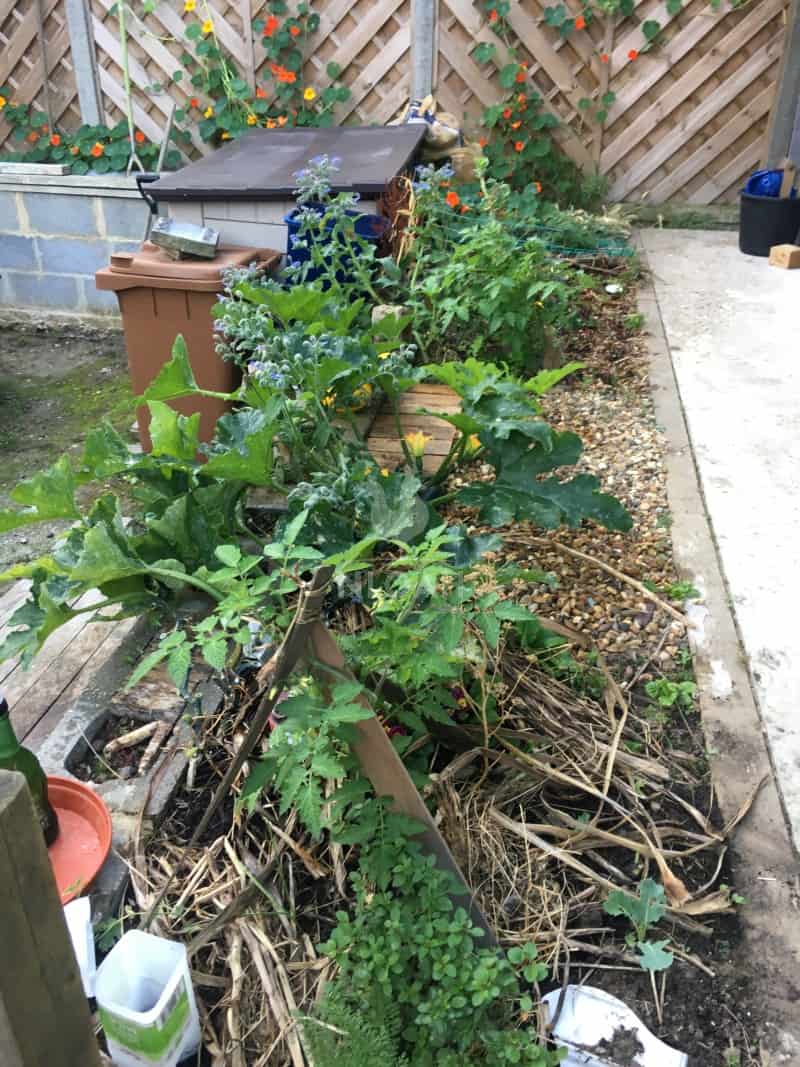
Oregano – There is virtually no garden crop that can’t be planted with oregano. This aromatic herb repels pests, especially maggots, and benefits any crop you have in your garden.
Parsley – Again, parsley is compatible with just about everything. It grows especially well with corn, tomatoes, and roses.
Parsnips – Parsnips grow well with carrots, onions, and radishes. Onions help keep root maggots away from parsnips.
Peas – Peas are very similar to beans, and grow best with corn, cucumbers, squash, radishes, potatoes, turnips, and carrots. Don’t plant them near onions or shallots.
Peppers – Peppers are members of the nightshade family, but are often unaffected by the types of pests that tend to infest other nightshade plants.
They can grow alongside other nightshade plants just fine as a result, but do not like to be grown with fennel and kohlrabi. They also benefit from being planted near basil, onions, tomatoes, parsley, and carrots.
Studies have shown that pepper pests prefer pigweed and ragweed over peoppers, so planting these next to pepper plants draws pests away.
Potatoes – Potatoes grow well with marigolds, who help to deter nematodes in the soil, along with basil, which prevents potato beetles. Cilantro also repels potato beetles. They also grow well with nasturtium and catnip.
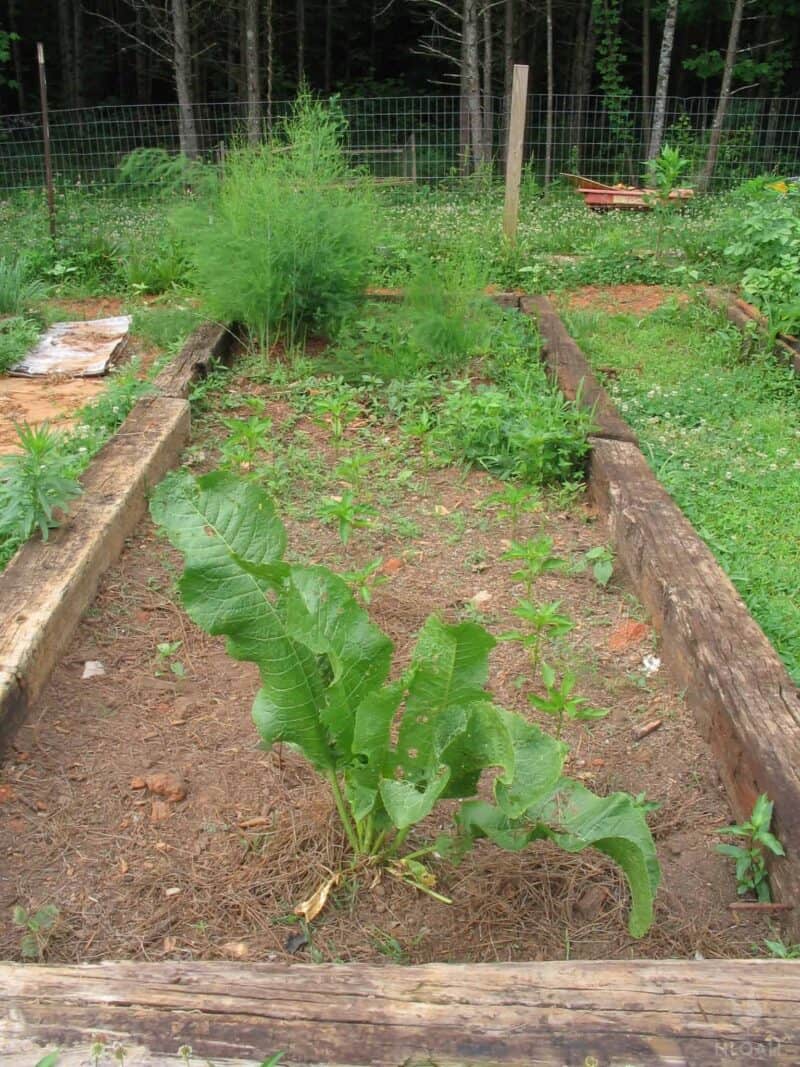
Potatoes can be grown with cabbage-family vegetables, eggplant, corn, peas, squash, flax, beans, and basil. Sweet alyssum will attract predatory insects that eat potato pests. Planting horseradish with potatoes improves their resistance to disease.
Do not plant potatoes near tomatoes, sunflowers, raspberries, pumpkins, cucumbers, apples, cherries, or birch. These plants are either members of the nightshade family and attract similar pests, or compete for nutrients and soil space.
Radishes – Radishes help to deter cucumber beetles, making them ideal for planting near your cukes. Lettuce helps tenderize radishes, while nasturtiums improve their flavor.
The only plants you really need to keep away from your radishes are hyssop and chervil, which makes radishes hot (if you like hotter radishes, then disregard this tip).
Rosemary – Rosemary grows well near beans, cabbage-family vegetables, and carrots. It helps to repel bean beetles and other common pests. Try not to plant rosemary near cucumbers.
Rye – Rye is a great weed deterrent and also provides a good source of mulch material. It produces a chemical which prevents the germination of weed seeds and can choke out tough weeds when planted in between vegetable rows.
Sage – Sage should not be planting near cucumbers, but presents few problems being grown near other plants. It helps to repel cabbage moths and carrot flies and can also encourage fruit production in tomato plants.
Soybeans – Soybeans help to choke out weeds, which is why they are often used as a garden cover crop. They help enrich the soil and are beneficial when planted near corn and potatoes.
Spinach – Spinach grows best when planted near cauliflower, celery, eggplant, and strawberries. It also provides benefit to legumes like beans and peas. Planting radishes among your spinach will draw leafminers away from attacking the greens.
It does not like to grow too close to potatoes, largely because the potato’s extensive roots crowd out the spinach’s more shallow ones. Therefore, they compete for soil and water. The lush foliage of potato plants may also crowd out the sun.
Squash – Squash grows well when planted with pole or bush beans, as well as corn (among other plants). It also appreciates growing near insect-repelling herbs like mint and flowers like nasturtium. It doesn’t do well near pumpkins or potatoes, as they compete for space and nutrients.
Strawberries – Strawberries should be planted near bush beans, lettuce, spinach, and borage. Try to avoid planting strawberries near anything in the cabbage family, which attracts similar pests.
Summer Savory – Summer savory improves the flavor of onions and beans when planted nearby. In general, summer savory helps with pollination by attracting honeybees, while also acting as a great pest repellent for brassicas, as it repels cabbage moths.
Sunflowers – Sunflowers help to attract pollinators, especially wild and domestic bees, and therefore should be a staple in any garden. However, don’t plant them near potatoes. They are best used when planted near cucumbers or squashes, as they can provide a much-needed trellis.
Swiss Chard – Chard grows well with bush beans, onions, and kohlrabi, but should be kept away from pole beans.
Tarragon – This oft-forgotten herb helps to improve most vegetables’ flavor and growth, and can be planted in any corner of your garden.
Thyme – Just like tarragon, thyme provides a variety of benefits and is not antagonistic with any plant in your garden. It helps deter cabbage moths and enrich the soil.
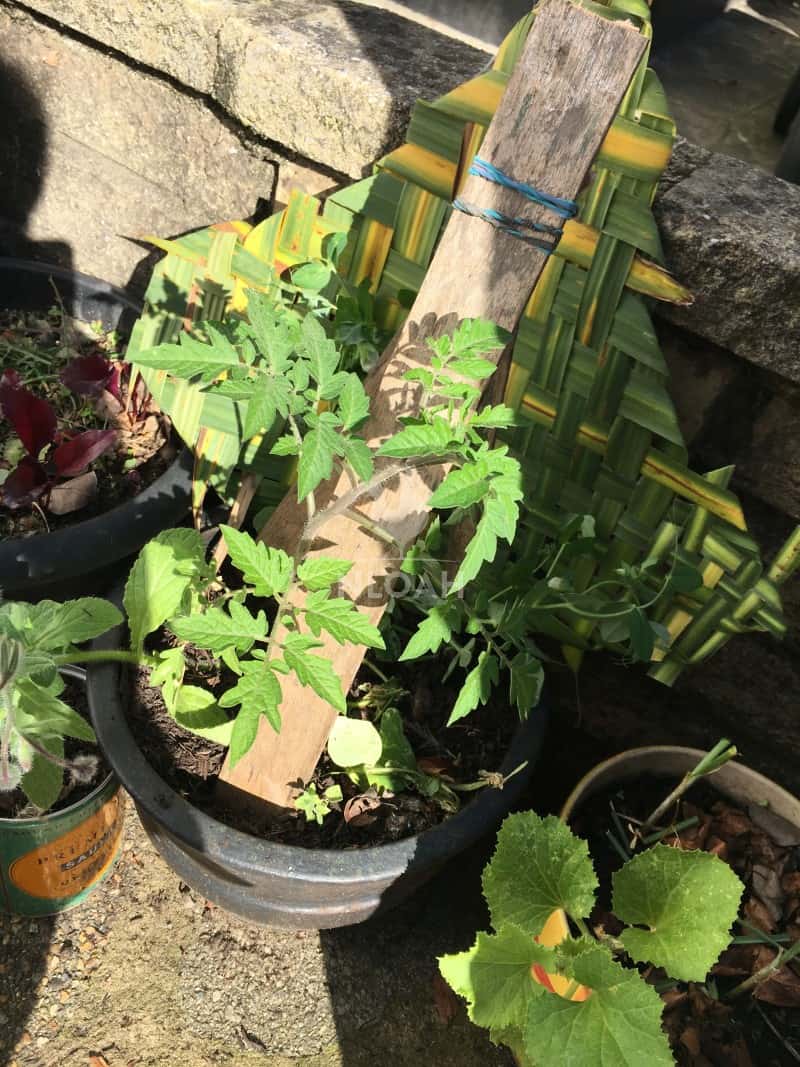
Tomatoes– Tomatoes benefit from being planted near carrots, sage, asparagus, basil, cabbage-family vegetables, mustard, parsley, and rosemary, among many other plants.
Basil, in particular, improves the flavor and yield of tomatoes. Asparagus will also help to repel nematodes, while tomatoes repel asparagus pests. Collards, when planted with tomatoes, repel flea beetles.
Do not plant tomatoes near a black walnut tree, corn, potatoes, or kohlrabi. When planting tomatoes, it’s important to regularly rotate your crops, as many disease-causing microbes and insect eggs and larvae remain in the soil for a long time.
Planting tomatoes next to other nightshades can be dangerous as it encourages verticillium wilt.
Turnips – Turnips, along with rutabagas, can be planted near peas. They should not be grown near mustard, which can slow their growth.
Vetch – Vetch is a great all-round fertilizer for the soil, as it absorbs nitrogen from the air and inserts it into the soil with its long roots. It also provides great mulch material but beware that if you let it go to seed, it can be invasive. Equally, vetch seeds are poisonous to chickens.
Yarrow – Another great pest management plant, yarrow attracts ladybugs and hoverflies. The enzymes in the stems and leaves of yarrow also make it break down quickly, giving you a great source of mulch material.
There are two really good companion planting charts that you can check out HERE, and this one which also lists many herbs HERE. Also, a friend on Facebook recommended to me the book Carrots love Tomatoes. I’m anxious to check it out.
Hope that’s a little helpful!

Get your gift and learn things like:
- how to make this really quick pest spray
- how to prevent egg waste
- two cheap automation devices that will make your life easier

A city girl learning to homestead on an acre of land in the country. Wife and homeschooling mother of four. Enjoying life, and everything that has to do with self sufficient living.
Don’t put garlic near anything, either. Especially beans. Trust me.
Onions/garlic/shallots can go near roses though.
I had heard of some of this during the past year and had already planned most of my garden along these lines, but you had a few that I didn’t know of! We just found out we are moving to a home with more space, so I hope to plant a bigger garden than I was planning…I guess it’s back to the drawing board!
Can’t wait to see how your garden does this year!! IT’s going to be great!
I’m really looking forward to what you learn about feeding the soil. I was talking with a friend who does organic gardening and she doesn’t use manure to feed it! I was shocked, but she explained that unless she raised the cow, she doesn’t know what’s in that poo! I never would have thought of that! She recommened a fertilizer that is organic and from beets or something like that…it is by a popular company…I’ll have to ask her again what the name was!
Good tips! The Vegetable Gardener’s Bible by Edward C. Smith has each vegetable with companion plantings and more for readers who want a complete list and handy reference tool. This book is a great investment!