
If you think of meat with a long shelf life, what do you think of first? I’ll bet you’re probably thinking of spam, canned tuna or chicken, or some other home-canned animal protein.
All good answers, to be sure, but what you might not know is that long shelf life meat is hardly a modern invention.
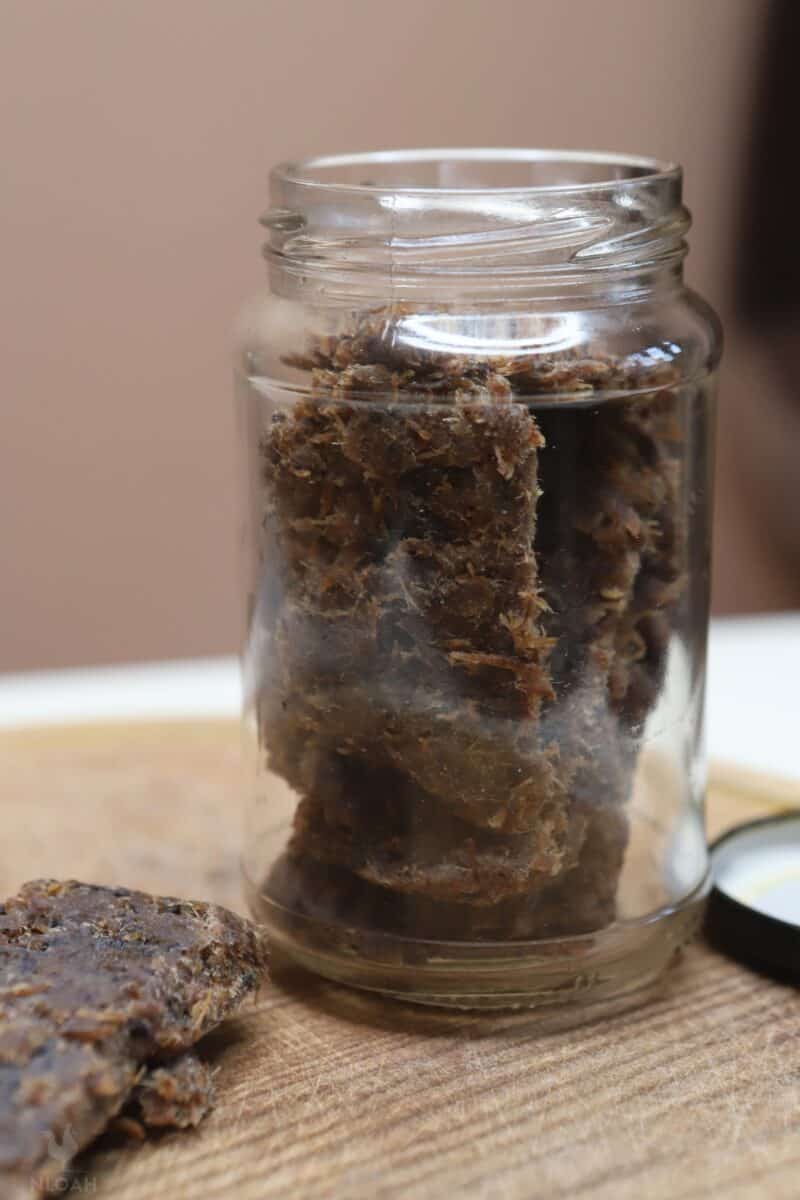
Pemmican is a Native American food that was used for ages as a travel ration or a convenient way to use up various staples that native peoples had in abundance.
It’s making a comeback today as a survival ration, used for all of the same reasons as it was back then. But, just what is the shelf life of pemmican and how can we increase it?
Depending on the ingredients, pemmican will last anywhere from 3 months to 5 years if stored properly.
Simple, drier recipes with fewer ingredients are essential for long shelf life, as is an airtight storage container kept in a cool, dark environment – or the use of refrigeration or freezing.
You’ll hear all sorts of stories out there on the internet about how long pemmican is supposed to last.
There are some people who claim it never goes bad, others say it will last a decade and remain completely safe.
Neither of those is true, and historical accounts of native makers verify that they never made pemmican to last quite that long… A few weeks to a few months was all they needed from it.
Nonetheless, it can last a very long time if you know what you are doing. We’ll look at all of the factors and various ways to extend the shelf life of your pemmican below.
Just What is Pemmican Exactly?
For those who aren’t already familiar with pemmican, a quick overview will probably be helpful. It isn’t the simple beef jerky like you might be thinking!
Pemmican is nothing more than a mix of dried meats and rendered animal fat, and sometimes other ingredients – dried fruit and sometimes herbs.
The result is a dense brick or patty that’s packed with calories and protein, and it can be eaten as is or prepared in various other recipes, typically fried or reconstituted into a type of stew or broth.
However it’s made, and there are many variations out there, the meat used must first be dried before being ground into a fine powder and then combined with the melted fat which was typically tallow, in a 50/50 mixture.
Other ingredients would be added at the same time, if used, and then the whole mixture wrapped up tightly and allowed to solidify and cool. After that, it can be portioned out and stored.
It sounds simple, and it is, but there’s definitely a trick or two to making it and getting the longest possible shelf life from it.
The Ingredients Greatly Affect Shelf Life
The first thing to know about the shelf life of pemmican is that the expected life is greatly influenced by the recipe or ingredients.
Different Native American tribes used different variations and slightly different methods of preparation. Sometimes, these recipes were further modified regionally…
Owing to the lack of sparsely written records on the exact ingredients and methods of preparation, there’s still a fair bit we don’t quite know today.
But, what we do know is that pemmican would have been made at varying times and varying places with red meat in the form of bison, deer, elk or even bear, while other tribes used fish.
Fat was always a necessary component, but other ingredients like berries and various other dried fruits were often contentious or optional inclusions.
Today, debates rage about the influence of various types of meat, fat, and ingredients on the shelf life.
Some people claim that including any kind of fruit in your pemmican is a sure way to accelerate spoilage, while other people point out, rightly, that fat is always likely to go rancid in time whether or not fruit is present.
The best advice I can give you is to make your pemmican with minimal ingredients if you want to maximize shelf life: just meat and fat will be enough, and you can always combine your pemmican with other ingredients when it is time to eat.
If you’re going to use fruit, make sure it is as dry as possible when you add it- moisture is the enemy!
Factors Influencing Shelf Life
Assuming all other things are equal when it comes to the actual recipe, there are several other factors you can control when it comes to the shelf life of pemmican.
Preparation
Just because pemmican is an ancient, even primitive, dish doesn’t mean you can make it willy-nilly and expect it to last!
Because you plan on storing it for a long time it’s even more important that you use proper procedure:
- make sure your hands and all of your utensils and cookware are sanitized,
- wear gloves,
- and generally do everything you can to cut down on contamination of any kind.
As I mentioned above fat is highly likely to go rancid over time, spoiling your pemmican. Letting germs get in there during preparation is only going to greatly accelerate that process, and severely curtail the shelf life.
Moisture
A certain amount of moisture is unavoidable when making pemmican because you’ll be working with liquid fat. This is just the way it is. But at all other times and concerning all other ingredients you want to absolutely eliminate as much moisture as you can.
The meat that you pound into powder should be totally dry. Likewise, any fruit or herbs you include should have as little moisture content as possible.
This extends to the storage location and method also. Take pains to keep pemmican in a very dry location and protected from moisture in the air.
A damp basement is far from ideal, but a dry closet in the driest room of your home, or a suitably dry pantry in an airtight container, are both excellent.
Temperature
Temperature is now, as always, a major factor for longevity and stability when storing food. If you’re going for room temperature storage, pemmican will keep best when kept decidedly cool, let’s say anywhere between 50° F and 60° F (between 10° C and 15° C).
Higher temps will only serve to accelerate spoilage, reducing the shelf life of your pemmican from a year or more to months or even weeks.
One of the worst things you can let happen to it is temperature swings: going from warm to cool and back again, repeatedly, will spoil it in no time.
Light
Believe it or not, light is the bad guy when it comes to storing pemmican. Light will raise temperatures and also facilitate the formation of condensation, i.e., moisture. Keep it in the dark and, most importantly, out of direct sunlight if you want it to last.
The Best Ways to Store It
If you want to keep pemmican for the long haul, luckily you’ve got several good methods for doing so. Check them out below.
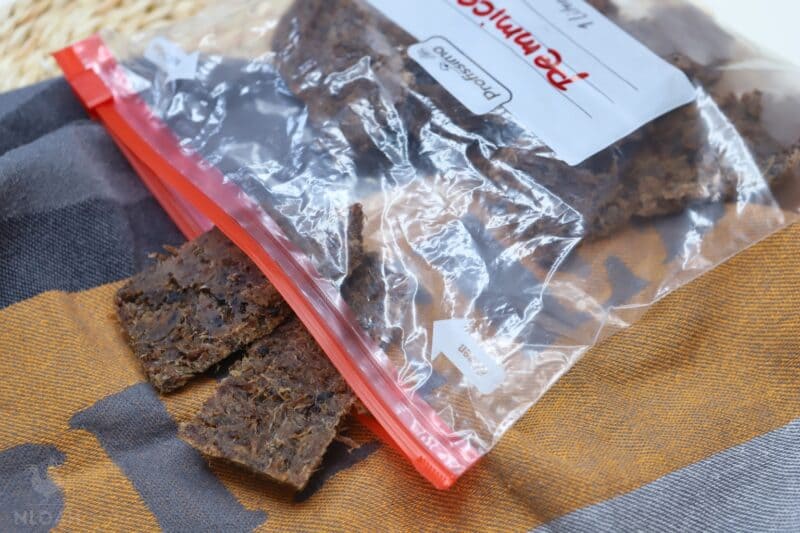
Airtight Sealed Container
This should be your go-to method for room-temperature storage. An airtight sealed container will keep your pemmican fresh, whatever kind of recipe it is, for at least 3 months. You can get 6 months out of it, maybe a year reliably, if you keep it cool and absolutely dry while in storage.
Vacuum-Packed
One of the best and most convenient ways to keep pemmican, and also greatly extend the shelf life, is by vacuum sealing it. Pulling out all of the air from the container, typically a plastic bag but sometimes a plastic or glass jar, will eliminate all traces of moisture and help prevent rancidity.
Kept cool, vacuum packing it will keep it fresh and edible for over a year.
Freezing
This is the single most dependable way to keep your pemmican edible for the longest possible time frame. Freezing pemmican is easy. You can wrap it up in butcher paper or foil, put it inside a food storage container, or, best of all, vacuum pack it like described previously.
Frozen, pemmican can keep for years on end, at least 5, but I don’t know anyone who has frozen it for longer and tried it but it’s certainly possible.
Can You Just Refrigerate Pemmican?
No, you don’t want to refrigerate it. Refrigeration can nominally extend the shelf life, but opening and closing the refrigerator door will promote the formation of moisture which is the very last thing we want to happen.
The best thing you can do for cold-storing pemmican is to put it inside a dedicated long storage freezer that you open only rarely.
Tom has lived and worked on farms and homesteads from the Carolinas to Kentucky and beyond. He is passionate about helping people prepare for tough times by embracing lifestyles of self-sufficiency.